
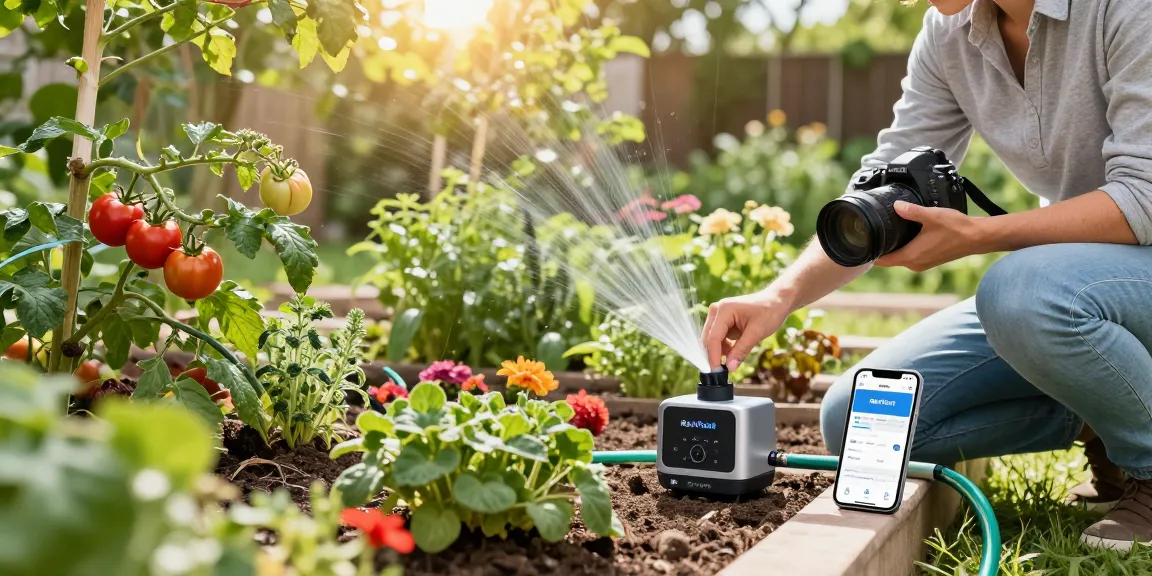
Understanding the Rainpoint Automatic Watering System
The rainpoint automatic watering system is revolutionizing the way gardeners approach irrigation. Designed with both efficiency and convenience in mind, this system offers a seamless solution for anyone looking to maintain a lush garden while conserving water. With the effects of climate change prompting more awareness about resource management, investing in an automatic watering system not only supports plant health but also promotes sustainable gardening practices.
What is the Rainpoint Automatic Watering System?
The Rainpoint automatic watering system consists of smart timers, soil sensors, and app connectivity that empowers users to manage watering schedules effectively. These systems can be tailored to various garden types and sizes, making them suitable for a wide range of users, from small apartment balcony gardeners to homeowners with sprawling lawns. The technology behind the system allows users to water their plants only when necessary, thereby minimizing waste and optimizing growth conditions.
How Does It Work for Efficient Watering?
At the heart of the Rainpoint system is a sophisticated algorithm that analyzes various environmental factors, including weather forecasts, soil moisture levels, and the specific needs of different plant types. By integrating real-time data, the system ensures that each plant receives the right amount of water at the appropriate times, eliminating the guesswork typically associated with traditional watering methods. This automated approach not only enhances plant health but also frees up time for gardeners to focus on other essential tasks.
Key Features and Benefits of the System
- Smart App Integration: Users can access and manage their watering schedules directly from their smartphones, making adjustments on the go.
- Soil Sensors: These devices monitor moisture levels and can halt watering if conditions are already optimal, preventing overwatering.
- Weather Adaptability: The system can adjust based on local weather, ensuring that rain forecasts influence watering schedules.
- User-Friendly Setup: Designed for ease of installation, the Rainpoint system can be set up by anyone, regardless of technical expertise.
Advantages of Using the Rainpoint Automatic Watering System
Time-Saving Benefits for Busy Gardeners
For the modern gardener, time is often a precious commodity, and the Rainpoint system provides significant time-saving advantages. By automating the watering process, users can set schedules that run independently of their availability. This not only reduces the need for daily watering but also minimizes the stress of maintaining a consistent regime, especially during busy weeks or when traveling.
Water Conservation and Environmental Impact
With increasing attention on environmental issues, the Rainpoint system shines as a leader in water conservation. According to studies, traditional gardening methods can waste up to 50% of water used for irrigation. However, with the precision of the Rainpoint system, users can drastically cut down on their water usage. This not only helps to save costs on utility bills but also empowers individuals to contribute towards global water conservation efforts.
Data Insights for Optimal Plant Growth
The integration of smart technology within the Rainpoint watering system allows for unparalleled data analysis. Users can track water consumption and compare it against plant health indicators. This data-driven approach provides insights that can help gardeners identify which plants thrive under certain conditions, thereby optimizing their gardening practices and leading to healthier, more robust plants.
Installation and Setup of the Rainpoint System
Step-by-Step Guide to Installation
Installing the Rainpoint automatic watering system is a straightforward process that can typically be completed in just a few steps:
- Unpack and Assemble: Start by unpacking all components and following the provided assembly instructions.
- Connect the Timer: Attach the timer to the water source, ensuring a secure fit to prevent leaks.
- Install Soil Sensors: Place the soil sensors in various locations around your garden to monitor moisture levels accurately.
- Download the App: Install the Rainpoint app on your smartphone and connect your devices using the provided instructions.
- Set Watering Schedule: Use the app to configure your watering schedule according to your plants’ needs.
Configuring the Smart App for Maximum Efficiency
After installing the system, configuring the app is crucial for maximizing efficiency. The app allows users to:
- Set specific watering durations and frequencies.
- Monitor real-time soil moisture levels.
- Receive alerts about system performance, including any issues that may arise.
- Adjust settings based on changing weather conditions.
Troubleshooting Common Setup Issues
While the Rainpoint system is designed for ease of use, some users may encounter challenges during setup. Common issues include connectivity problems with the Wi-Fi or app configuration difficulties. In such cases, ensure:
- Your device is compatible with the app.
- Wi-Fi signals are strong in the installation area.
- You have followed the app’s step-by-step instructions closely.
Real-World Applications and User Experiences
Case Studies of Successful Gardeners
Numerous gardeners have reported transformative experiences after integrating the Rainpoint automatic watering system into their routines. For instance, a homeowner in California utilized the system to manage a variety of plants, including drought-resistant varieties. The result was a thriving garden that required significantly less manual intervention, ultimately yielding a flourishing landscape that the owner could enjoy without the stress of daily maintenance.
Testimonials from RainPoint Users
User feedback is overwhelmingly positive, with many praising the system’s simplicity and effectiveness. One user noted, “The Rainpoint system has saved me hours of work each week. My plants are thriving, and I no longer worry about them drying out.” This sentiment echoes across multiple testimonials, indicating a trend of customer satisfaction and successful plant growth attributed to the system.
Comparative Analysis with Other Systems
When comparing the Rainpoint automatic watering system with traditional methods or other smart systems, its advantages become clear. For example:
- Efficiency: Rainpoint’s soil sensors and weather adaptability set it apart from basic timers that operate on fixed schedules.
- Cost-Effectiveness: While some high-tech systems can come with significant upfront costs, Rainpoint offers a range of products that cater to various budgets without sacrificing functionality.
Future Trends in Automatic Watering Systems
Emerging Technologies in Garden Irrigation
The future of gardening is poised for exciting advancements, with emerging technologies shaping the landscape of automatic watering systems. Trends such as AI-driven irrigation, advanced soil sensors, and real-time moisture monitoring are expected to elevate the effectiveness of systems like Rainpoint. These innovations promise to further refine how water is distributed in gardens, ensuring that plants receive exactly what they need, when they need it.
Predictions for Smart Watering Solutions in 2026
As we look towards 2026, it is anticipated that smart watering solutions will become more accessible and user-friendly. Interactive features such as voice command integration, enhanced weather prediction algorithms, and the ability to monitor multiple zones from a single app will likely become standard. This evolution will make automated gardening not only easier but also more intuitive for users with varying levels of experience.
Your Role in Sustainable Gardening Practices
Embracing automatic watering systems like Rainpoint is just one step towards sustainable gardening. Gardeners play a crucial role in promoting environmental responsibility. By choosing smart irrigation, practicing composting, and incorporating native plants, gardeners can contribute to healthier ecosystems and more sustainable communities.