Understanding the Concept of Age Perception
Age perception plays a crucial role in how we view ourselves and how we are perceived by others. The question "how old do I look?" is not just a trivial inquiry; it delves into the complex interplay between physical appearance, societal standards, and personal identity. In the age of social media, where images are shared and scrutinized at unprecedented rates, understanding one’s appearance relative to age becomes increasingly significant. This curiosity extends beyond mere vanity; it touches on deeper issues of self-worth and societal acceptance.
As technology evolves, many individuals are turning to online resources that allow them to explore this question in a fun and engaging way. For instance, how old do I look is a platform that employs AI to estimate facial age based on uploaded photos, providing users with insights into how they are perceived by others.
What Does It Mean to Ask 'How Old Do I Look'?
When someone asks, "How old do I look?" they are often seeking validation or affirmation regarding their youthfulness or vitality. This question can stem from various motivations, including self-esteem, curiosity, or social comparison. Age is a significant social marker; it influences job prospects, social status, and even interpersonal relationships.
The question also invites others to share their perceptions, which can be flattering or disheartening depending on the responses received. Understanding the intent behind this question can help frame the discussion around age perception and its implications for self-image.
The Psychology Behind Age Estimation
The psychology of age perception involves a mix of cognitive biases and social constructs. Research suggests that people often misjudge their age based on cultural standards and personal experiences. Factors such as health, lifestyle, and even genetics can influence perceptions, making age estimation a subjective endeavor.
Interestingly, people's perception of age can also be affected by environmental and contextual cues. For example, an individual might appear younger in a casual setting compared to a formal one, demonstrating the fluidity of age perception based on surroundings.
Impact of Social Media on Age Perception
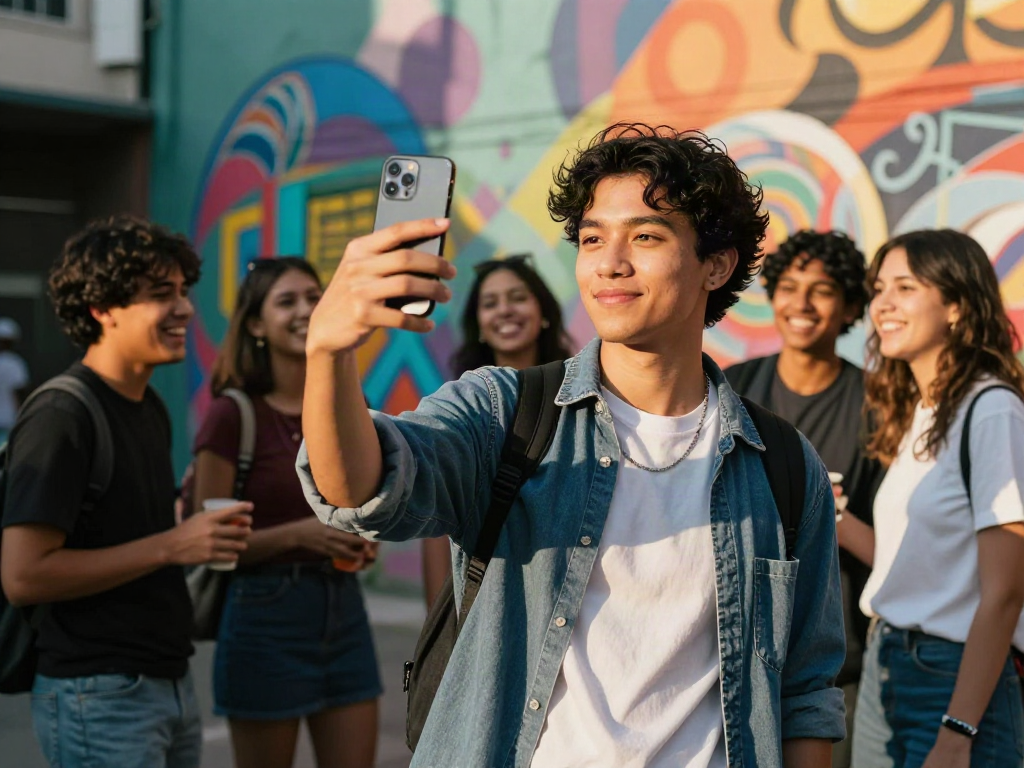
With the rise of social media platforms, individuals are exposed to a curated version of reality where age is often misrepresented. Filters and editing tools can significantly alter one’s appearance, leading to skewed perceptions of age both for the user and their audience. This creates a paradox where individuals may seek validation through likes and comments on their youthful portrayals while grappling with the realities of aging.
Furthermore, the constant comparison with peers on social media can intensify feelings of inadequacy or the fear of aging. Understanding the impact of online interactions on age perception is vital for fostering a healthy sense of self.
How Age Estimation Tools Work
In recent years, age estimation tools have gained immense popularity, leveraging advancements in artificial intelligence and facial recognition technology. These tools allow users to upload photos and receive an analysis of their perceived age, offering a fun and often illuminating experience.
Introduction to AI and Facial Recognition Technology
AI-driven age estimation tools utilize complex algorithms that analyze various facial features, such as skin elasticity, wrinkles, and facial structure. By comparing these features to large datasets, the algorithms can provide an estimate of how old an individual appears. This technology relies on machine learning, which improves accuracy as more data is processed.
Facial recognition technology is continually evolving, with new algorithms being developed to account for diverse skin tones, ethnicities, and aging patterns, striving for more equitable and inclusive age estimation.
Accuracy and Limitations of Age Prediction Algorithms
While age estimation tools can be entertaining and sometimes surprisingly accurate, they are not infallible. Various factors can affect accuracy, including lighting, photo quality, facial expressions, and even the angle from which the photo is taken. Moreover, cultural perceptions of age can vary widely, leading to differing results based on regional or personal biases.
Users should approach these predictions with a critical mindset, recognizing the entertainment value while understanding the limitations of such tools.
Comparing Different Age Estimation Apps
There are numerous apps available for estimating age, each employing different algorithms and methodologies. Popular applications include FaceAge.ai, Fotor, and BeautyPlus, each offering a unique user interface and experience. Some apps focus on a quick analysis, while others provide a more detailed report on aging patterns, skin health, and potential lifestyle recommendations.
When choosing an age estimation tool, it's essential to consider factors like user ratings, privacy policies, and the comprehensiveness of features offered. The best apps provide not only age estimates but also insights that could help users understand more about their skin health and aging process.
Common User Experiences and Reactions
User experiences with age estimation tools can vary widely, often eliciting a range of emotional responses. While some users find the results validating, others may feel anxiety or disappointment based on their perceived age relative to the estimate.
Understanding Age Discrepancies: Why Results Vary
Age discrepancies can arise from a multitude of factors. For instance, differences in facial structure, skin type, and even lifestyle choices (like smoking or sun exposure) can significantly impact how someone appears. Additionally, cultural factors—such as societal expectations regarding youthfulness—can skew perceptions of age, both for the individual and the algorithms assessing it.
The inherent subjectivity in age perception emphasizes the importance of appreciating individual uniqueness and recognizing that these tools are not definitive measures of worth or beauty.
User Testimonials: The Impact of Age Estimation
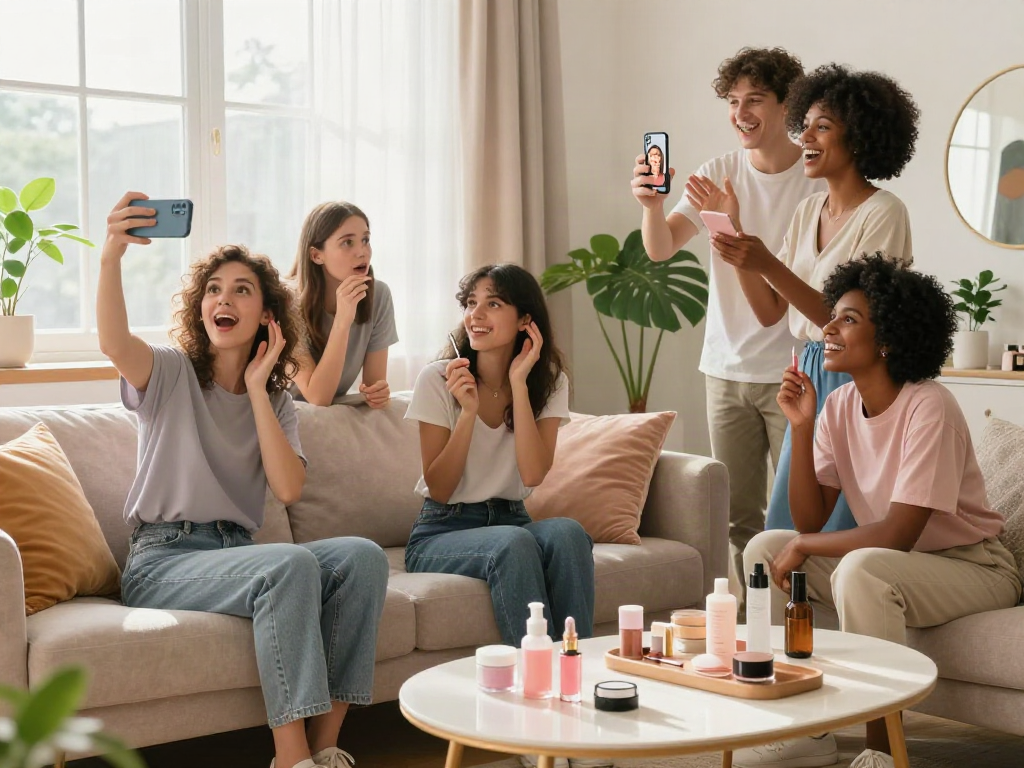
Many users share their experiences with age estimation tools online, fostering a community of curiosity and support. For some, the results are a fun way to engage with friends, leading to light-hearted banter and discussions about aging. Others find the results more serious, prompting reflections on their self-image and lifestyle choices.
User testimonials often highlight the simultaneous joy and pressure that comes with age estimation, illustrating how these tools can serve both as a source of entertainment and a mirror reflecting societal attitudes toward aging.
Addressing Misconceptions and Myths
Several misconceptions exist around age estimation tools, primarily concerning their accuracy and implications. One common myth is that the tools can predict actual biological age, whereas they are designed to estimate perceived age based on visual cues. It is essential for users to understand that these tools are not replacements for professional assessments and should be approached as lighthearted entertainment rather than scientific evaluations.
Additionally, myths about aging itself—such as the idea that one must adhere to certain beauty standards or maintain a youthful appearance to be valued—can be perpetuated through the use of these tools. Encouraging discussions about realistic aging and beauty standards is crucial in fostering healthier perceptions of self-worth.
Best Practices for Using Age Estimation Tools
While age estimation tools can be fun and informative, there are best practices that users should keep in mind to optimize their experience and results.
How to Prepare a Photo for Best Results
To achieve the most accurate estimation possible, consider the following tips when preparing a photo:
- Choose a well-lit setting to reduce shadows on your face.
- Avoid excessive makeup or filters that could alter your natural appearance.
- Use a high-resolution image to ensure clarity in facial features.
- Take the photo from a straight-on angle rather than at a tilt.
By following these guidelines, users can enhance the effectiveness of the age estimation process.
Interpreting Your Results: What They Really Mean
Understanding the results of an age estimation tool requires a nuanced approach. While the numerical output can be intriguing, it is essential to consider the broader context of individual experiences and societal standards. The results should not define self-worth but rather serve as a prompt for reflection and discussion.
Embrace the findings as part of a larger conversation about beauty, aging, and self-perception, allowing for personal growth and self-acceptance.
Privacy Considerations When Using Age Estimation Apps
Privacy is a significant concern when utilizing age estimation tools. Many apps require access to personal data, including photographs, which raises questions about data security and usage. Before using any app, users should review privacy policies and terms of service, ensuring that their data will be handled responsibly.
It's crucial to be cautious, especially when sharing images online. Users should be aware of the implications of their digital footprint and the potential risks associated with uploading personal photos.
Future Trends in Age Estimation Technology
The future of age estimation technology promises exciting advancements as AI continues to evolve. As algorithms become more sophisticated, we can expect more accurate and inclusive age predictions, providing a broader understanding of age perception across diverse populations.
Pioneering Innovations for 2026 and Beyond
Looking ahead, innovations such as augmented reality (AR) and virtual reality (VR) may revolutionize how we perceive age. For instance, AR technology could allow users to visualize their aging process in real time, offering insights and recommendations for skincare and lifestyle adjustments tailored to individual needs.
Additionally, the integration of health metrics with age estimation tools could provide users not only with an age estimate but also with strategies for maintaining a youthful appearance through improved health practices.
Ethics and Responsibility in Age Prediction
As the industry evolves, ethical considerations surrounding age prediction must be prioritized. Developers must ensure their algorithms are free from biases and capable of providing equitable assessments across different demographics. Addressing potential stigmas associated with aging and promoting positive narratives around the aging process can foster a healthier digital environment for users.
Potential Applications Beyond Age Estimation
Beyond merely estimating age, continued research in this field could lead to applications in various industries, including healthcare, marketing, and personal development. For example, businesses could tailor their marketing strategies based on perceived age demographics, enhancing consumer engagement and experience. In healthcare, understanding age perception could assist in providing personalized care based on the psychological impacts of aging.
What are the best age estimation apps available?
Among the best available apps for age estimation are renowned platforms like FaceAge, BeautyPlus, and Fotor, each offering unique features tailored to user preferences.
How accurate are AI predictions for age?
AI predictions can be surprisingly accurate under ideal conditions but vary widely based on factors such as photo quality and environmental influences.
Can age perception change based on social contexts?
Yes, age perception can significantly shift based on social contexts, influenced by relationships, environments, and even clothing choices.
What factors can influence how old someone looks?
Factors such as skin health, lifestyle choices (diet and exercise), and even emotional well-being can profoundly influence perceived age.
Are there any privacy concerns with age estimation tools?
Yes, privacy is a crucial consideration, as users must be aware of data security, image sharing, and the potential for misuse of personal information.