
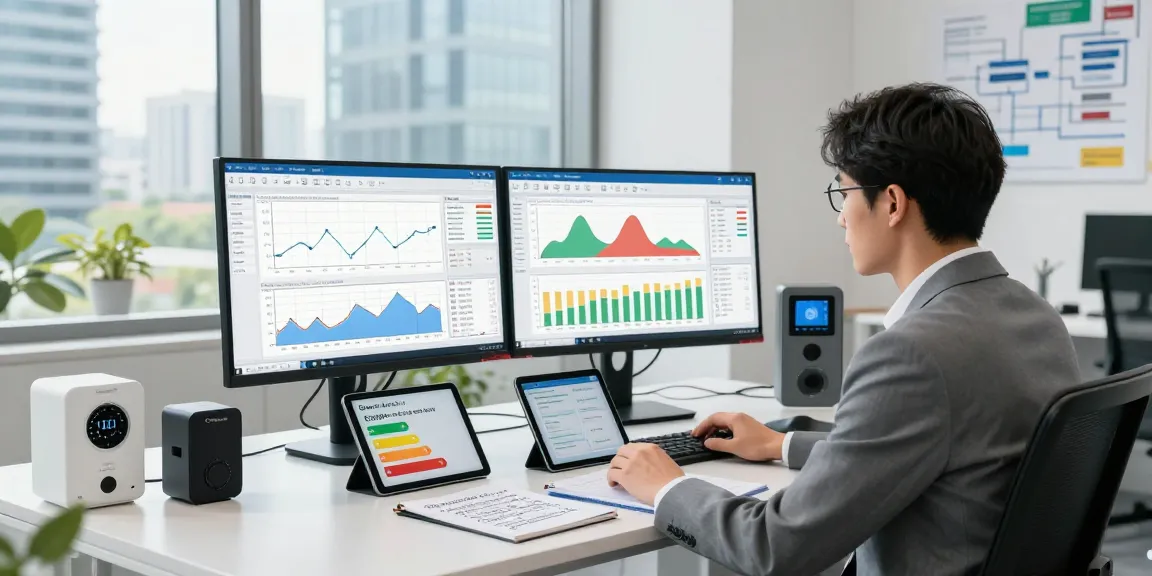
Understanding Half Hourly Meters
As businesses evolve, so do their energy consumption needs, making accurate billing and monitoring essential. One of the leading solutions to track energy consumption in real-time is the half-hourly meter. These advanced devices have transformed how businesses in the UK manage their energy usage and costs. By providing detailed data on electricity consumption every 30 minutes, half hourly meters help organizations make informed decisions to optimize energy efficiency. When exploring options, half hourly meter solutions offer comprehensive insights that can significantly enhance operational effectiveness.
What is a Half Hourly Meter?
A half hourly meter, often abbreviated as HH meter, is an advanced electricity metering device that records energy usage at 30-minute intervals throughout the day. This capability allows for 48 separate data points to be generated daily, providing a detailed profile of when and how much energy is consumed. Unlike traditional meters, which may capture only cumulative consumption over longer intervals, half hourly meters transmit their readings automatically to energy suppliers via communication technologies such as GSM or fixed lines.
How Does a Half Hourly Meter Work?
The operation of a half hourly meter involves automated meter reading (AMR), which captures and relays consumption data continuously. Each half-hour reading is sent to a data aggregator, who then distributes the information to the respective electricity suppliers. This method ensures that billing reflects actual usage rather than estimated profiles or periodic readings. Suppliers settle their prices every 30 minutes based on real-time market conditions, which can lead to significant cost savings for businesses using half hourly meters.
Benefits of Half Hourly Meters for Businesses
- Accurate Billing: By recording actual usage, these meters eliminate the discrepancies often associated with estimated bills.
- Potential Cost Savings: Businesses that shift their energy usage away from peak times (when prices are higher) can take advantage of variable tariffs.
- Enhanced Energy Management: The detailed data provided allows businesses to analyze their consumption patterns and identify areas for improvement.
- Environmental Benefits: Promoting efficient energy use can contribute to a company’s sustainability goals by reducing carbon footprints.
Who Needs a Half Hourly Meter?
Criteria for Mandatory Installation
Under current UK regulations, certain businesses are required to have half hourly meters. Specifically, any business with a peak demand of over 100 kW must install a half hourly meter. This requirement aligns with the objective of improving energy efficiency and accurately reflecting usage patterns. Additionally, businesses categorized under profile class 5-8 are also mandated to transition to half hourly metering as part of regulatory updates.
Businesses That Can Benefit from Voluntary Opt-In
While not all businesses must install a half hourly meter, those with lower peak demands (below 100 kW) may still opt to do so voluntarily. Organizations that experience significant fluctuations in energy use can greatly benefit from accurate billing and the ability to respond to real-time changes in energy prices. Companies that aim to enhance their energy strategies should consider opting in for half hourly metering for these reasons.
The Impact of Half Hourly Meters on Energy Intensive Users
Energy-intensive businesses—those with high consumption levels—stand to gain the most from half hourly metering. By monitoring demand closely, they can shift energy usage away from peak times, reducing their overall costs. With the ability to view their consumption patterns, these businesses can implement strategies to lower their demand during high-cost periods, maximizing their savings over time.
How is HH Electricity Priced?
Understanding Variable Tariffs: Red Bands vs. Green Bands
Half hourly electricity pricing introduces variable tariffs that vary significantly based on time of day and season. Tariffs are often categorized into ‘red band’ and ‘green band’ periods. Red bands typically occur during peak demand hours (e.g., 4-7 PM during winter weekdays) when energy prices are markedly higher, while green bands occur during off-peak times—often overnight or on weekends—when rates are considerably lower. This pricing model enables businesses to adjust their energy consumption behaviors accordingly and capitalize on lower rates.
The Financial Implications for Businesses
The financial impact of shifting to half hourly metering can be substantial. For instance, a business with a consumption level of approximately 200,000 kWh per year can typically save between 2-4 pence per kWh by moving from a non-half hourly profile to half hourly. The savings potential is even more significant for businesses with irregular energy usage patterns, where the suppliers can access real-time load data instead of relying on estimated profiles.
Analyzing the Savings Potential: Case Studies
Several case studies demonstrate the economic benefits of half hourly meters. For example, a retail company that implemented half hourly metering was able to decrease its energy costs by 15% after shifting its energy consumption away from peak hours. Another case involved a manufacturing business that saved approximately £10,000 annually by optimizing its energy usage strategies based on the data provided by its half hourly meter. Such transitions often translate to a quick return on investment, recouping initial installation costs within the first year.
Profile Class vs. Half Hourly Settlement
The Differences Between Profile Class and HH Meters
Profile class meters, which are typically used for non-half hourly settlements, rely on estimated consumption profiles based on average usage patterns. In contrast, half hourly meters provide actual usage data, allowing suppliers to bill based on real wholesale prices. This transition from estimated to actual consumption represents a major advantage for businesses looking to reduce their energy expenditures.
Transitioning from Profile Class to HH: What to Expect
For businesses transitioning from profile class metering to half hourly metering, the process can involve several steps. Suppliers will require the existing meter to be updated for accurate data transmission. This may include the installation of new metering equipment if the current system is incompatible. Fortunately, many modern smart meters are already half-hourly capable, which can streamline the upgrade process.
How This Affects Your Energy Bills
Switching to half hourly settlement can significantly impact energy bills. Businesses may find their costs more transparent, with pricing reflective of real consumption patterns rather than estimates. This transparency allows for better budgeting and forecasting, as organizations can predict their energy costs more accurately based on their actual consumption trends.
Installation and Upgrading to a Half Hourly Meter
Steps for Installing a Half Hourly Meter
The installation process for a half hourly meter generally involves contacting your current energy supplier or a certified Meter Operator (MOP) to arrange for the installation. This process typically takes between 4 to 12 weeks, depending on the complexity of the site and whether new physical metering is required. A site assessment may be necessary to determine the best configuration for the meter.
Cost Considerations and Potential Savings
The cost of installing a half hourly meter can vary widely, generally falling between £200 to £1,000, depending on the site’s complexity. In addition to installation costs, businesses may incur an annual standing charge to maintain the metering data, usually between £100 and £300. However, the long-term savings typically outweigh these initial expenditures, as many businesses see a return on investment within the first year through reduced energy costs.
Best Practices for Monitoring Meter Readings
Once a half hourly meter is installed, it is crucial for businesses to actively monitor their readings. Regular analysis of this data allows organizations to identify patterns, optimize their energy use, and adjust strategies accordingly. Utilizing available software tools or consulting with energy management professionals can further enhance monitoring efforts, leading to more significant savings and operational efficiencies.
What Are Common Questions About Half Hourly Meters?
As businesses consider whether to transition to half hourly metering, several common queries arise:
- Will Switching to a Half Hourly Meter Save Money? Yes, switching can lead to considerable savings, especially for businesses with high or fluctuating energy use.
- How Long Does It Take to Install a Half Hourly Meter? The installation process generally takes between 4 to 12 weeks, depending on specific site requirements.
- Are All Businesses Required to Have Half Hourly Meters? No, only businesses with peak demands exceeding 100 kW are required to have them, although others may benefit from opting in.
- What Alternatives Exist for Non-Half Hourly Meters? Non-half hourly meters can still be used, but they rely on estimated billing, which may not reflect actual consumption accurately.