
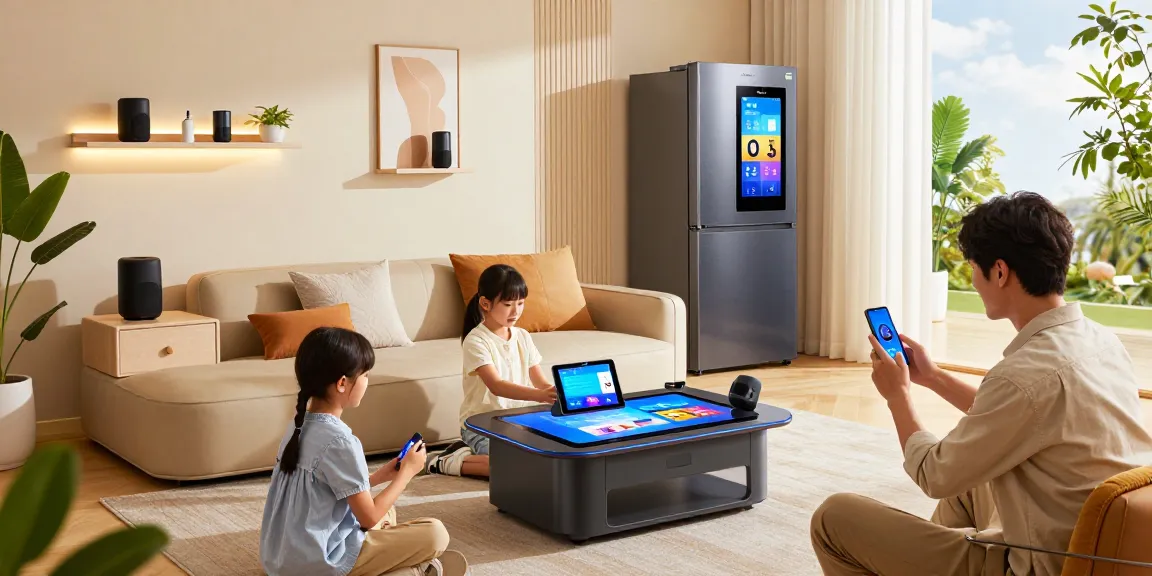
The Rise of Smart Home Technology in 2026
As we move into 2026, the landscape of smart home technology continues to evolve at an unprecedented pace. With the integration of artificial intelligence (AI), machine learning, and the Internet of Things (IoT), homes are becoming more connected and intelligent than ever before. This evolution not only enhances convenience and efficiency but also significantly impacts how we interact with our living spaces. The growing interest in energy conservation, security, and seamless integration has spurred the development of innovative products designed to meet consumer needs. When exploring options, best smart home gadgets 2026 can provide comprehensive insights into the latest advancements in this thriving market.
Understanding Smart Home Ecosystems
A smart home ecosystem is an interconnected network of devices and systems that communicate with each other via a central hub or platform. This allows for automation and control of various household functions, including lighting, heating, security, and entertainment systems. The key to a successful smart home lies in the interoperability of these devices, enabling seamless integration and user-friendly operation.
Key Trends Influencing Smart Home Solutions
- AI Integration: The rise of artificial intelligence is transforming smart home devices, allowing for more intuitive and responsive functionalities.
- Energy Efficiency: Consumers are increasingly focused on sustainability, driving demand for devices that help reduce energy consumption.
- Security Enhancements: With smart security systems gaining popularity, manufacturers are innovating solutions that offer comprehensive protection.
- User-Centric Design: Smart home gadgets are being designed with user experience in mind, emphasizing ease of use and accessibility.
User Adoption and Market Penetration
The adoption of smart home technology has seen exponential growth over the past few years. According to recent studies, smart home device penetration is expected to reach 82.1% by 2026, with projections indicating a market value of over $250 billion by 2029. This surge is fueled by increasing consumer awareness and the desire for automation in everyday life.
Top Smart Home Gadgets to Elevate Your Home
As we explore the best smart home gadgets for 2026, it’s essential to highlight the devices that stand out in terms of functionality, innovation, and value. From security systems to energy management tools, these gadgets are designed to enhance your living experience significantly.
Best Smart Speakers and Assistants for 2026
- Amazon Echo (5th Gen): This latest iteration features improved sound quality, a more profound integration with smart home devices, and enhanced voice recognition.
- Google Nest Hub Max: Offering a display for video calls and media, this smart speaker doubles as a control center for your smart home.
- Apple HomePod mini: Known for its superb sound quality, the HomePod mini integrates seamlessly with Apple’s ecosystem, making it a favorite among Apple users.
Innovative Security Solutions for Peace of Mind
- Ring Video Doorbell Pro 2: With advanced motion detection and high-definition video, this doorbell provides security and convenience at your doorstep.
- Arlo Ultra 2: This wire-free security camera offers 4K video quality and a wide field of view, ensuring comprehensive monitoring of your property.
- August Smart Lock Pro: A smart lock that allows keyless entry and remote access control, compatible with most existing deadbolts.
Energy Management Devices for Sustainability
- Ecobee SmartThermostat: This smart thermostat optimizes heating and cooling while providing real-time energy usage data to help reduce consumption.
- TP-Link Kasa Smart Plug: A versatile smart plug that allows you to control any appliance remotely, making it easier to manage energy usage.
- Sense Energy Monitor: This device tracks energy use across your home, helping you identify wasteful habits and improve efficiency.
Integration and Compatibility with Smart Home Systems
Choosing the Right Smart Home Hub
The backbone of any smart home system is its hub. Selecting the right hub is crucial for ensuring compatibility and seamless integration of various devices. Popular options include Samsung SmartThings, Google Nest Hub, and Amazon Echo Plus, each offering unique functionalities and device support.
Interoperability Among Devices
Interoperability is essential in creating a cohesive smart home experience. Many manufacturers are now prioritizing compatibility with popular ecosystems such as Apple HomeKit, Google Assistant, and Amazon Alexa, allowing users to centralize control over multiple devices.
Setting Up Your Smart Home Network
When setting up a smart home network, consider the layout of your space and the types of devices you wish to connect. Ensure your Wi-Fi network is robust enough to handle multiple connections, and strategically position devices for optimal performance.
Maximizing Efficiency with Smart Home Gadgets
Automating Daily Routines with Smart Devices
Smart devices can significantly streamline daily routines by automating tasks such as adjusting the thermostat based on your schedule or programming lights to turn on and off at specific times. This not only enhances convenience but also contributes to energy savings.
Monitoring and Controlling Home Energy Use
With the rise of energy monitoring devices, homeowners can gain insights into their energy consumption patterns. By identifying peak usage times, you can adjust habits to lower costs and improve sustainability.
Enhancing Security with Smart Camera Technologies
Smart cameras, equipped with features such as motion detection, remote access, and cloud storage, provide peace of mind by allowing you to monitor your home from anywhere. Many models integrate with existing security systems, adding another layer of protection.
The Future of Smart Homes: What to Expect Beyond 2026
Emerging Technologies Impacting Smart Homes
The future of smart homes looks promising as emerging technologies, such as augmented reality (AR) and advanced robotics, continue to develop. These innovations will likely enhance user interactions with smart devices and improve overall home automation experiences.
Predictions for Smart Home Market Growth
As consumers increasingly embrace smart technologies, the market is set to expand rapidly. Industry experts predict an annual growth rate of approximately 9% from 2026 to 2029, driven by advancements in AI, machine learning, and user-friendly interfaces.
Consumer Behavior Trends in Smart Technology Usage
In the coming years, consumer behavior will likely shift towards prioritizing security, energy efficiency, and sustainability when selecting smart home devices. Brands will need to adapt to these changing preferences to remain competitive in the market.
What are the benefits of smart home gadgets?
Smart home gadgets offer a range of benefits, including increased convenience, enhanced security, and energy savings. They facilitate automation that can lead to a more streamlined and efficient lifestyle.
How to choose the best smart home devices?
When selecting smart home devices, consider compatibility with existing systems, ease of use, and specific features that meet your needs. Researching user reviews and expert recommendations can also provide valuable insights.
What security measures should I consider for my smart home?
Implementing security measures such as strong passwords, frequent software updates, and secure network configurations can help protect your smart home from potential vulnerabilities.
Are smart home gadgets energy efficient?
Many smart home gadgets are designed with energy efficiency in mind, utilizing features that reduce consumption and optimize performance, ultimately leading to lower utility bills.
How do smart home devices integrate with each other?
Smart home devices integrate using various protocols, such as Zigbee, Z-Wave, and Wi-Fi. Choosing devices that adhere to the same protocols can enhance interoperability and guarantee a smoother user experience.