Understanding Smart Locks
As technology continues to evolve, home security is no exception. One of the most significant advancements in this area is the introduction of smart locks. These innovative devices offer not just a way to secure your home but also a host of features that traditional locks simply cannot match. When exploring options, قفل هوشمند provides comprehensive insights into the various models available.
What is a Smart Lock?
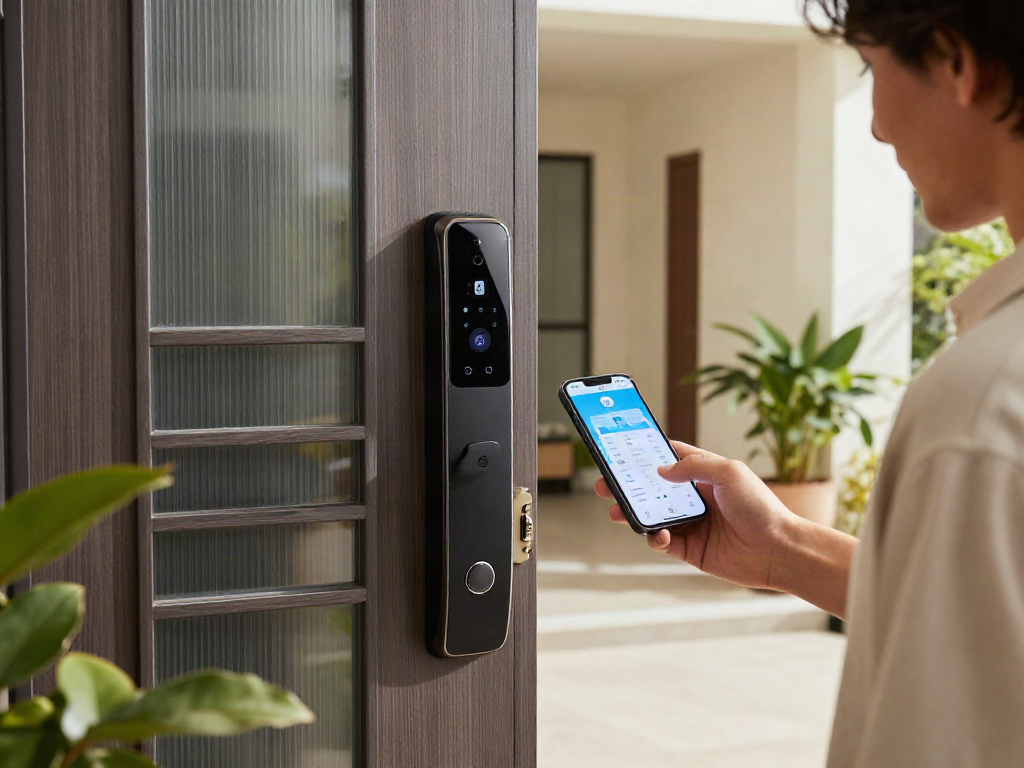
A smart lock is a keyless locking device that uses various technologies to secure your doors. Unlike traditional locks, which rely on physical keys, smart locks can be controlled through smartphones, biometric identification, or key fobs. This advanced technology enables seamless access management for homeowners, renters, and property managers alike.
How Smart Locks Work
Smart locks typically function via Bluetooth, Wi-Fi, or Z-Wave technology. The core components of smart locks include:
- Bluetooth Connectivity: Allows users to unlock the door using their smartphone when they are in close proximity.
- Wi-Fi Support: Enables remote access, allowing users to lock or unlock their doors from anywhere in the world.
- Keypad Entry: Allows entry through PIN codes, making it easy for multiple users to access the property.
- Biometric Sensors: Some advanced models support fingerprint access for enhanced security.
Benefits of Using a Smart Lock
Smart locks offer numerous advantages over traditional locking mechanisms:
- Convenience: No more fumbling for keys. With a smart lock, you can access your home through your smartphone or keypad.
- Remote Access: Grant access to guests or service providers without being physically present.
- Enhanced Security Features: Many smart locks come with tamper alerts and security notifications.
- Activity Log: Most smart locks maintain a history of entries and exits, allowing you to monitor who accessed your home and when.
Choosing the Right Smart Lock
With so many options available, selecting the perfect smart lock can be daunting. However, understanding key features can streamline the decision-making process.
Key Features to Look For
When selecting a smart lock, consider the following features:
- Compatibility: Ensure the lock works with your existing door and smart home system.
- Power Source: Look for locks with long-lasting batteries or those that can be hardwired.
- Security Standards: Choose locks that meet high-security ratings, such as ANSI Grade 1.
- User Capacity: Consider how many users can be added to the system without compromising security.
Top Brands and Models in 2026
As of 2026, several brands have emerged as leaders in the smart lock market:
- August Smart Lock Pro: Known for its adaptability and easy installation.
- Yale Assure Lock 2: Offers robust security features and integration with various smart home ecosystems.
- Level Lock: This unique model fits inside your existing deadbolt, preserving your home's exterior appearance.
Comparing Smart Lock Technologies
Before making a purchase, it’s crucial to understand the differences between various smart lock technologies:
- Bluetooth: Offers ease of use, but limited range can be a drawback.
- Wi-Fi: Ideal for remote access but may require more power.
- Z-Wave: A more energy-efficient option that integrates seamlessly with smart home systems.
Installation and Setup Process
After choosing the right smart lock, installation and setup are the next steps. Understanding the process can save time and frustration.
DIY Installation vs Professional Help
Many smart locks are designed for easy DIY installation, often requiring only a screwdriver and basic tools. However, for those uncomfortable with home improvement tasks, hiring a professional can ensure the lock is installed correctly and securely.
App Configuration and Pairing
Once installed, you'll need to configure the smart lock through a dedicated app. Steps generally include:
- Download the app associated with your smart lock.
- Create an account and follow the in-app instructions to pair the lock with your smartphone.
- Set user permissions and access codes as needed.
Ensuring Security During Setup
While setting up your smart lock, take precautions to secure your data. Use strong passwords and enable two-factor authentication if available. This enhances the overall security of your smart lock and personal information.
Integration with Smart Home Systems
Smart locks are designed to work seamlessly with other smart home devices, enhancing your home's overall security system.
Connecting Smart Locks to Home Automation
Most smart locks integrate with various home automation systems, such as Amazon Alexa, Google Home, and Apple HomeKit. This connectivity allows you to control your lock with voice commands or through your central smart home hub.
Enhancing Security with Other Devices
Combining smart locks with other security devices can amplify your home’s security:
- Security Cameras: Monitor who comes and goes from your property.
- Doorbell Cameras: Provide an immediate view of visitors before granting them access.
- Smart Lights: Automate outdoor lighting in coordination with your smart lock.
Future Trends in Smart Home Security
As technology advances, smart home security is likely to grow more sophisticated. Future trends to watch for include advanced AI integration, improved biometric security measures, and enhanced interoperability among devices.
Maintaining Your Smart Lock
To ensure longevity and continued security, regular maintenance of your smart lock is essential.
Regular Maintenance Tips
Keep your smart lock functioning optimally by following these tips:
- Regularly check for software updates and install them promptly to keep your lock secure.
- Clean the lock and surrounding area to prevent debris from interfering with the mechanisms.
- Test the lock’s functionality every few months to ensure it operates smoothly.
Troubleshooting Common Issues
If you encounter problems with your smart lock, consider these common fixes:
- If the lock won't connect to Wi-Fi, check your router and perform a reset if necessary.
- For Bluetooth issues, ensure your phone's Bluetooth is enabled and within range.
- If the lock doesn’t respond to codes, check if the battery needs replacing.
When to Upgrade Your Smart Lock
Technology evolves rapidly, and your smart lock may need an upgrade if:
- It lacks the latest security features or fails to meet modern security standards.
- Your smart lock is experiencing frequent connectivity issues.
- It does not integrate well with your existing smart home ecosystem.
What Are the Benefits of Smart Locks?
Smart locks offer a plethora of benefits, making them a worthy consideration for modern homeowners:
- Ease of Use: You can unlock your door from your phone without searching for keys.
- Remote Management: Monitor and control your lock from anywhere.
- Increased Security: Features like alerts and activity logs enhance home safety.
How Secure Are Smart Locks Compared to Traditional Locks?
Smart locks often provide superior security features compared to traditional locks. With real-time alerts, the ability to monitor access, and authentication methods beyond just a key, many smart locks can deter unauthorized access more effectively.
Can Smart Locks Work Without Wi-Fi?
Yes, many smart locks can function without Wi-Fi. For example, Bluetooth-enabled locks can operate offline, allowing you to unlock your door as long as you are within range. However, you may lose remote access capabilities if you are outside of Bluetooth range.
Are Smart Locks Easy to Install?
Most smart locks are designed for easy installation, often compatible with existing deadbolts. Many brands provide detailed instructions that guide you through the setup process, making DIY installation accessible for most homeowners.
What Happens If the Battery Dies?
Most smart locks feature battery backup systems that allow you to use a physical key in the event of a dead battery. Additionally, some models provide alerts when battery levels are low, enabling you to replace them before they run out.